A lighter schedule for slower grass.
Bi-weekly mowing suits lawns that grow slowly, such as in cooler weather, dry spells or shady yards, and keeps costs and visits low.
- Visit: Every other week
- Height: Matched to your grass
What it is, and why it matters.
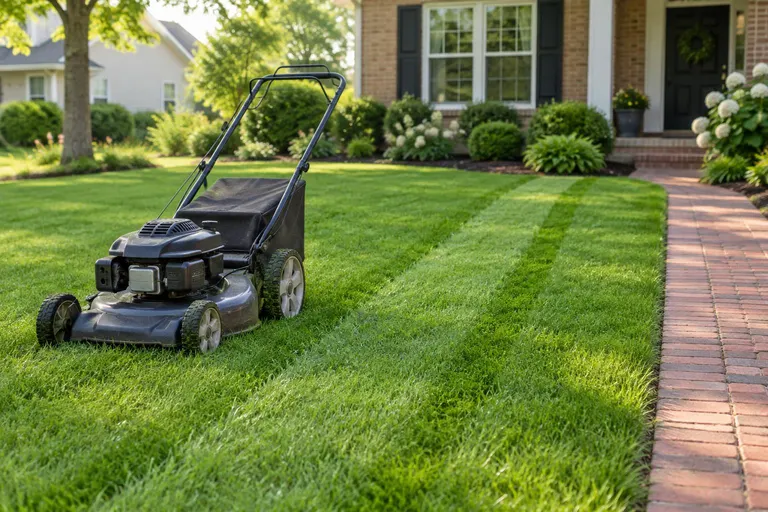
Not every lawn needs a mower every seven days. In spring and fall growth slows, in dry summers grass rests, and shady or low-input lawns stay short for longer. Bi-weekly mowing matches the visit to the growth.
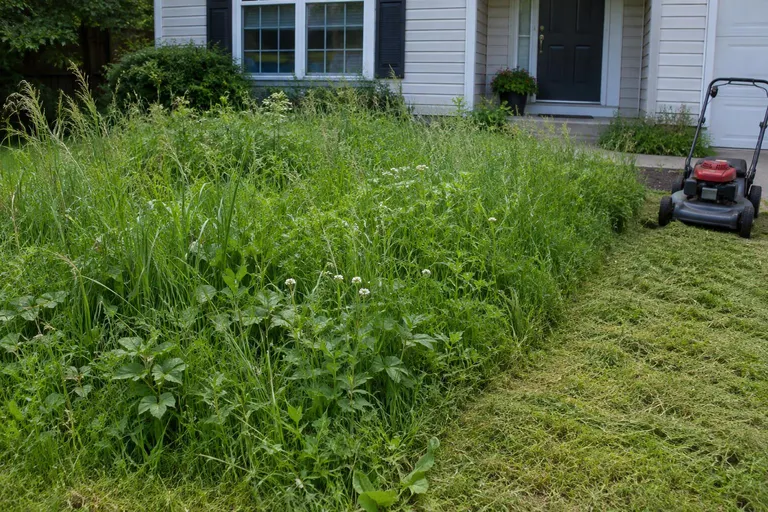
We check how tall the grass is at each visit and, if it has run ahead of schedule, we make the cut in two lighter passes. If growth is fast in a wet spell, we suggest a weekly visit for a few weeks and then go back.
Four things done right.
Fits the growth
A schedule that follows how fast your lawn actually grows.
Two-pass cuts
Taller grass gets two lighter passes instead of one scalp.
Flexible
We can step up to weekly during fast growth.
Same tidy finish
Edges and hard surfaces are cleaned at every visit.
From first call to bi-weekly lawn mowing.
- 1
Set the schedule
We agree on bi-weekly service with a flexible plan for growth spurts.
- 2
Check the height
We measure the grass before every cut.
- 3
Mow in one or two passes
Tall grass is cut gradually to protect roots.
- 4
Trim, edge and blow
Every visit ends with clean edges.

Bi-Weekly Lawn Mowing in cities across the country.
We do this work for homes and businesses from coast to coast. Find your city to see the grass and climate we plan for.
Bi-Weekly Lawn Mowing: common questions
Is bi-weekly mowing enough?
For slow-growing or shady lawns, often yes. In fast spring growth, weekly mowing is better.
What if the grass gets too long?
We cut in two lighter passes so we never scalp the lawn.
How do I get a quote for bi-weekly lawn mowing?
Fill in the form or call or text 800-224-9245. A few details about the lawn, or a photo, usually give us what we need, and we send a written price.
Ready to talk about bi-weekly lawn mowing?
A few details or a photo of the lawn, and a written price.